Understanding Local Art Festivals and Their Impact
Local art festivals offer vibrant opportunities for communities to engage with creativity, support artists, and promote cultural enrichment. In this article, we explore the significance of these events and their multifaceted impact on the local economy, community cohesion, and cultural identity.
Understanding the Basics
Art festivals, typically held in public spaces, are organized events showcasing various forms of art, including visual arts, music, and performance art. According to research from the National Endowment for the Arts, such festivals can significantly contribute to community engagement and local economic growth. For instance, they often attract visitors from surrounding areas, thereby boosting local businesses such as restaurants and shops.
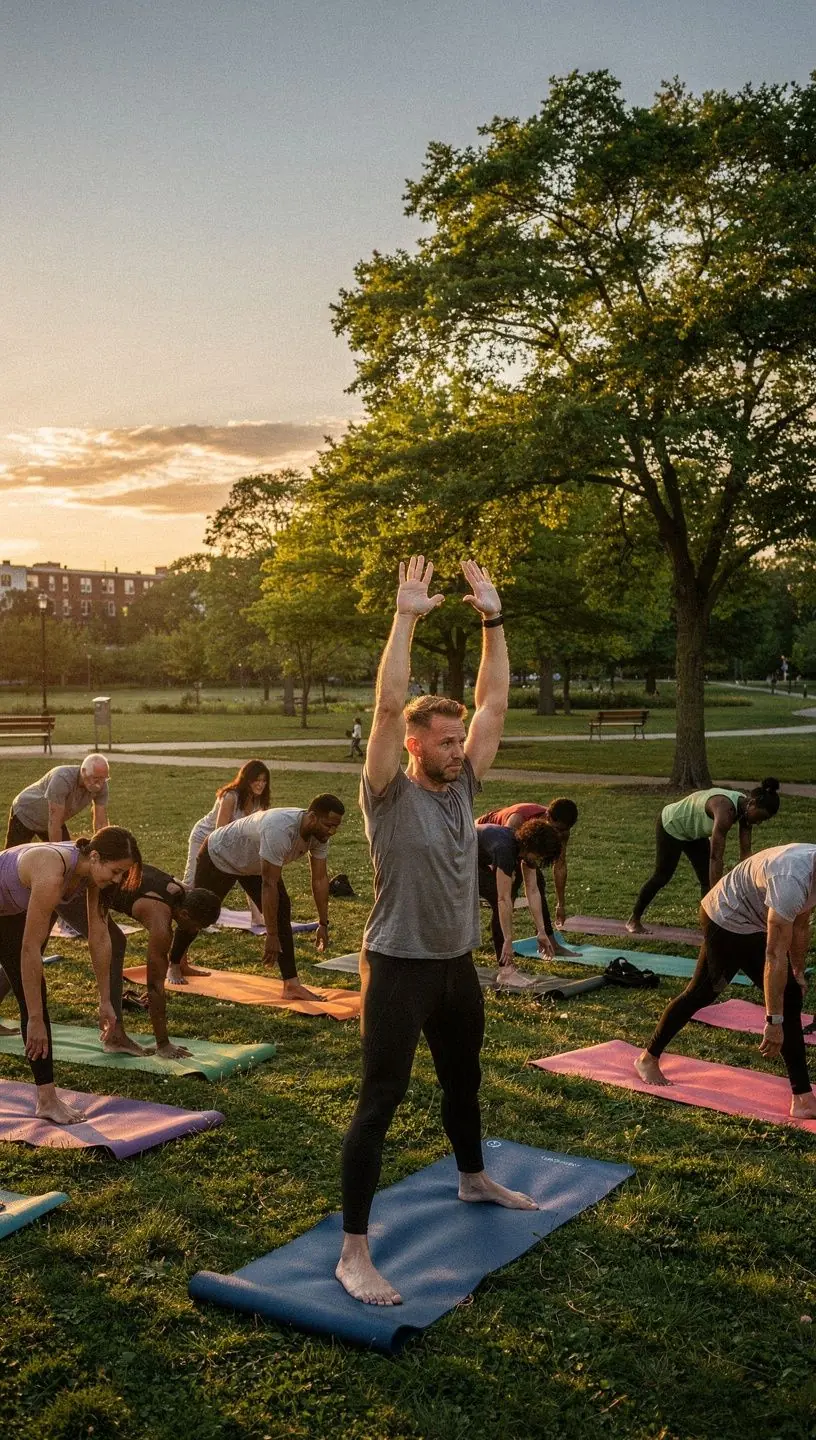
"Art festivals serve as catalysts for community engagement and economic vitality, fostering connections among diverse groups.”
Economic Benefits of Art Festivals
Many studies have highlighted the economic advantages of hosting art festivals. Here are some key points:
- Increased Local Revenue: Research shows that art festivals can generate substantial revenue for local businesses. For example, a study by the Americans for the Arts indicated that local economies can see an influx of 4-7 times the investment made in these festivals.
- Job Creation: Organizing an art festival often involves hiring local vendors, artists, and staff, which can lead to temporary job creation and ongoing employment opportunities in related sectors.
- Attracting Tourism: Festivals can draw visitors from outside the area, contributing to higher occupancy rates in hotels and increased spending in local attractions.
Enhancing Community Cohesion
Art festivals can also play a crucial role in strengthening community bonds. They typically:
- Encourage Participation: Many events welcome volunteers from the community, fostering a sense of ownership and pride among residents.
- Showcase Local Talent: By highlighting local artists and performers, festivals can enhance cultural identity and promote pride in the community’s unique talents.
- Create Shared Experiences: Attendees often build connections through shared experiences, which can lead to lasting relationships and a stronger sense of belonging.
Challenges and Considerations
While art festivals can be beneficial, organizing them also comes with challenges. For example:
- Resource Intensive: Planning a successful festival typically requires substantial time and effort, often taking up to a year of preparation.
- Funding Dependence: Many festivals rely on sponsorships and grants, which can vary from year to year and affect the festival's sustainability.
- Environmental Impact: Festivals may generate significant waste, and organizers are encouraged to adopt eco-friendly practices to mitigate their environmental footprint.
Conclusion
Art festivals represent a valuable opportunity for communities to come together, celebrate creativity, and stimulate local economies. While organizing such events involves considerable effort and resources, the potential benefits—both economic and social—are substantial. By understanding the impact of local art festivals, communities can better appreciate their contributions and work towards fostering inclusive and vibrant gatherings that reflect their unique cultural identities.