A Guide to Navigating Farmers' Markets and Local Produce
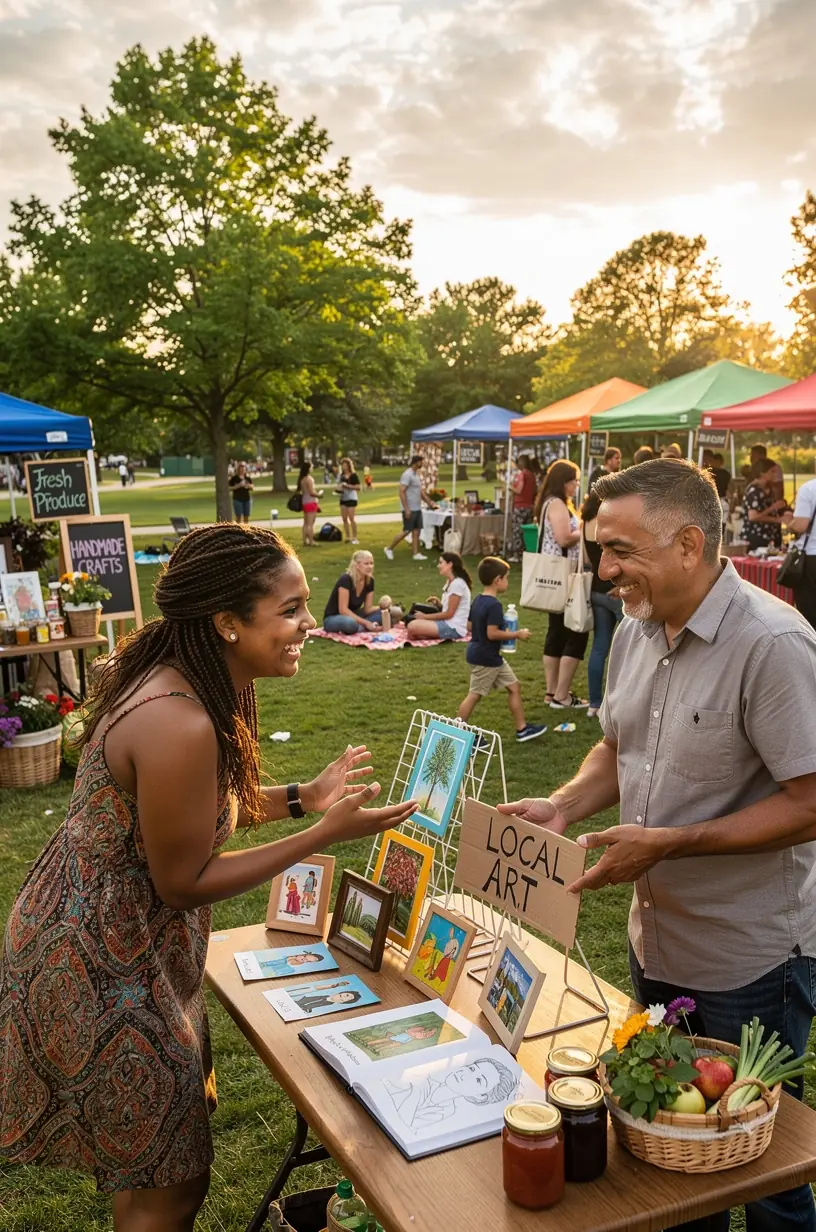
Farmers' markets offer a unique opportunity to explore local produce, meet farmers, and support your community. This guide aims to equip you with the knowledge to maximize your experience at these vibrant markets.
Understanding the Basics of Farmers' Markets
Farmers' markets are typically community-driven events where local farmers and producers sell their goods directly to consumers. According to the USDA, there are over 8,000 farmers' markets operating across the United States, making them a significant avenue for fresh produce and artisanal products.

Experts recommend visiting farmers' markets, as they often provide fresher produce compared to grocery stores. This is largely due to the shorter supply chain, where fruits and vegetables are typically harvested within days of sale, preserving their nutritional value.
"Buying directly from local farmers not only supports the local economy but also allows consumers to learn about the food they are purchasing."
Benefits of Shopping at Farmers' Markets
- Freshness: Produce sold at farmers' markets is often harvested just before the market opens, which means you’re likely eating fruits and vegetables at their peak.
- Variety: Many markets feature a diverse range of products, including organic and heirloom varieties that are not typically available in supermarkets.
- Community Connection: Shopping locally fosters relationships with farmers and encourages a sense of community, as you can engage in conversations about their farming practices.
Tips for Navigating Your Local Farmers' Market
To make the most of your farmers' market experience, consider the following tips:
- Plan Your Visit: Farmers' markets typically operate on specific days and hours. Check their schedule in advance to avoid disappointment.
- Bring Cash: While some vendors may accept cards, many still prefer cash. Having small bills can make transactions smoother.
- Ask Questions: Don’t hesitate to engage with vendors. Asking about their growing practices or the best ways to prepare certain items can enhance your culinary skills.
Seasonal Produce and When to Find It
Being aware of seasonal produce can significantly enhance your farmers' market experience. Many people find it useful to reference seasonal produce guides. For instance, fresh asparagus typically peaks in spring, while apples are best found in the fall. Research indicates that consuming seasonal produce can not only offer better taste but also align with sustainable farming practices.
Conclusion
Farmers' markets are an excellent resource for fresh, local produce and a way to engage with your community. By educating yourself on the benefits, planning your visits, and understanding seasonal offerings, you can truly enjoy the experience and contribute positively to your local economy. Remember, while visiting these markets may require some effort, the rewards of fresher food and a closer connection to your food source are often well worth it.
Discover More