The Role of Music in Building Neighborhood Connections
In an era where digital communication often prevails, music presents a powerful avenue for connecting with neighbors and fostering a sense of community. This article explores how music can enhance local interactions and strengthen social bonds among residents.
Understanding the Community Impact of Music
Music has long been recognized as a universal language that transcends boundaries. According to research from the American Psychological Association, engaging in musical activities can foster social interactions, enhance emotional expression, and build a sense of belonging. Many studies suggest that communities with active music scenes often witness an increase in neighborly interactions and participation in local events.
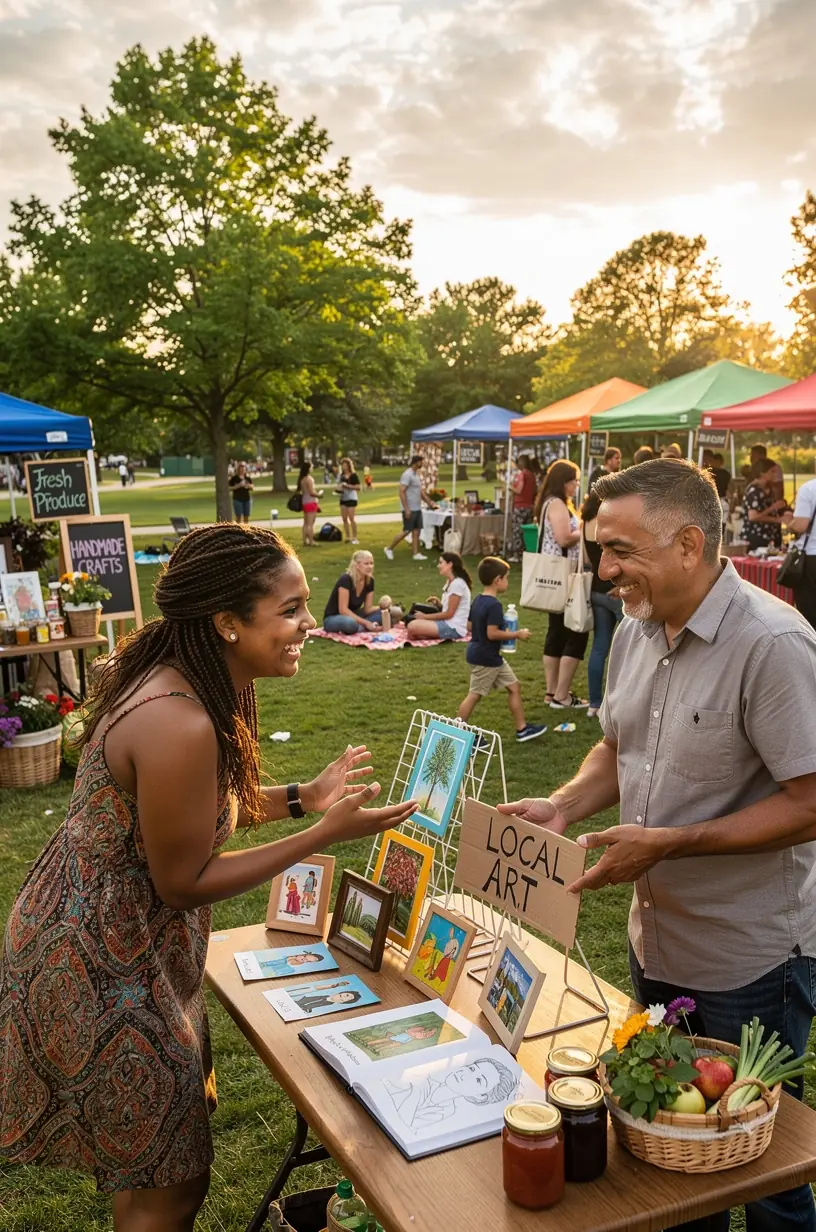
"Involving music in community activities not only entertains but also cultivates relationships among residents." - Community Engagement Expert
How Music Fosters Community Connections
Music often acts as a catalyst for gatherings, encouraging residents to come together for shared experiences. Here are several ways music can help build stronger neighborhood ties:
- Community Events: Organizing local concerts or music festivals can create opportunities for residents to meet and interact. These events typically foster a sense of belonging and encourage the participation of diverse groups.
- Collaboration: Many neighborhoods have local bands or choirs that welcome new members. Joining these musical groups can help individuals connect over shared interests, although it may require a commitment of time and effort to practice regularly.
- Support for Local Artists: Promoting local musicians at neighborhood events can strengthen community pride. Research indicates that supporting local talent can lead to increased participation in community activities, benefiting both artists and residents.
Challenges and Considerations
While the benefits of incorporating music into community life are evident, there are challenges to consider. Planning and organizing musical events can be time-consuming, often requiring 2-4 months of preparation to ensure a successful turnout. Additionally, not all neighborhoods may have the resources to regularly host events, which means that sustained efforts are crucial for long-term success.
Conclusion
In conclusion, music serves as a vital link in building neighborhood connections. By promoting local events and supporting community musicians, residents can foster a sense of belonging while enhancing social interactions. While challenges exist, the potential for music to bring people together is significant, making it a worthwhile investment for any community looking to strengthen its bonds.